
FOR HK HACKS NOW!
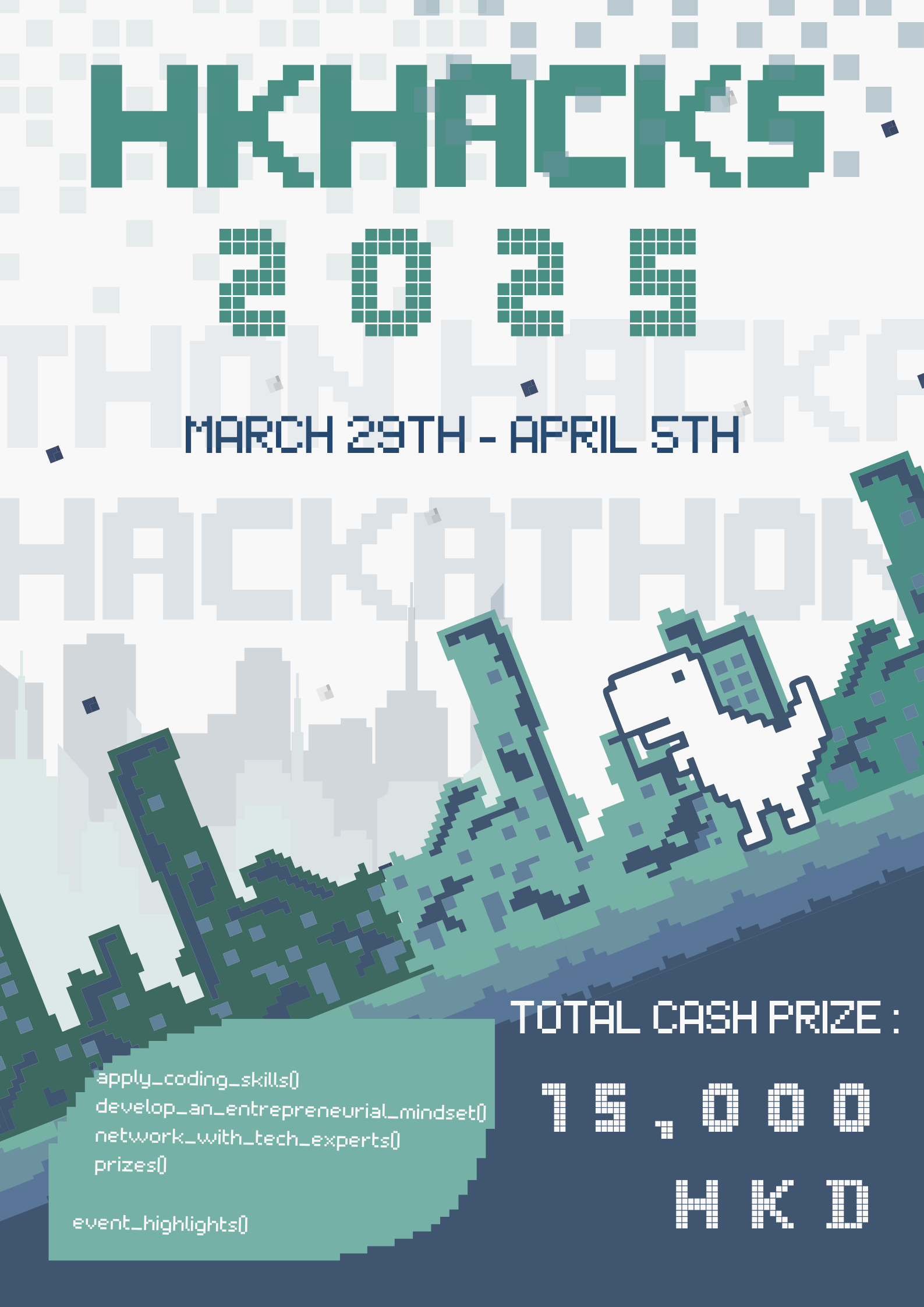
The HK Hacks 2025 Hackathon was a successful event that brought together over 100 coders from across Hong Kong.

Andy Ong graduated with a Bachelor of Mechanical Engineering from the City University of Hong Kong in 2021. He then co-founded Super Bamboo, with the mission to help the world reach net zero-carbon through novel augmented bamboo materials. He led the company to raise over 5 million HK$ in pre-seed funding so far, multiple inventions under patent process, and win various awards such as the Institute of Mechanical Engineering Innovation Award 2022 and Y-LOT Best DeepTech Research Team Award 2023. He was voted as the favourite pitcher on CityU University Day and has been invited to present at various events, local, and international news such as HKTDC Entrepreneur Day, TVB, Bloomberg Businessweek Chinese Edition, The Strait Times, and others.

Prof. LIU Chunhua has been with City University of Hong Kong, Hong Kong, since 2015, where he is currently a Professor in Electrical and Electronic Engineering with the School of Energy and Environment. His research interests include electric machines and drives, electric vehicles, electric ships and aircraft, electric robotics, renewables and microgrids, power electronics and wireless power transfer. In these areas, he has published over 300 refereed papers. Also, he has been awarded RGC Research Fellow by the HKRGC, awarded Distinguished Lecturer by IEEE Vehicular Technology Society (VTS), and recognized among the top 2% of the world's most highly cited scientists in reports by Elsevier and Stanford University since 2020. In addition, he is Chair & Founder of both Hong Kong Chapter, IEEE Vehicular Technology Society, and Hong Kong & Guangzhou Joint Chapter, IEEE Industrial Electronics Society, respectively.

Harris is the Director of Integrated Marketing at Microsoft Asia, where he leads marketing strategy, planning, and operations for Hong Kong. In the age of AI, his leadership plays a pivotal role in driving business outcomes and fostering brand love for Microsoft's commercial solutions, including Microsoft Azure, Microsoft 365, and Security. Beyond his work at Microsoft, Harris is a passionate educator and innovator. In 2018, he co-founded Cobo Academy, a Hong Kong-based coding school dedicated to equipping the next generation with essential skills for the future, focusing on coding, robotics, and AI.

As a researcher and educator, I am focused primarily on the impacts of human activities and how to resolve them. With a PhD studying the effects of climate change on marine species and experience in nature technology, I hope to share the wonders of the biological world with students and the public to inspire positive changes towards a sustainable future.

A young and skilled professional deeply committed to sustainability and innovation leveraging his data analytics knowledge and passion for sustainability to drive positive change at Lidl & Kaufland Asia.

Nick focuses on supporting entrepreneurship initiatives at the MIT HK Node, where he leverages his skills in technology, product design, and problem-solving to inspire innovation. Before this, he was at the Hong Kong Productivity Council’s Inno Space team for two years, working closely with startups, schools, and students. After that, he also contributed to business development and marketing at an NLP-focused tech startup. Today, he is also channeling his entrepreneurial spirit into founding a startup in the music tech industry. Nick holds a Bachelor’s degree in International Affairs and Political Science from Northeastern University.
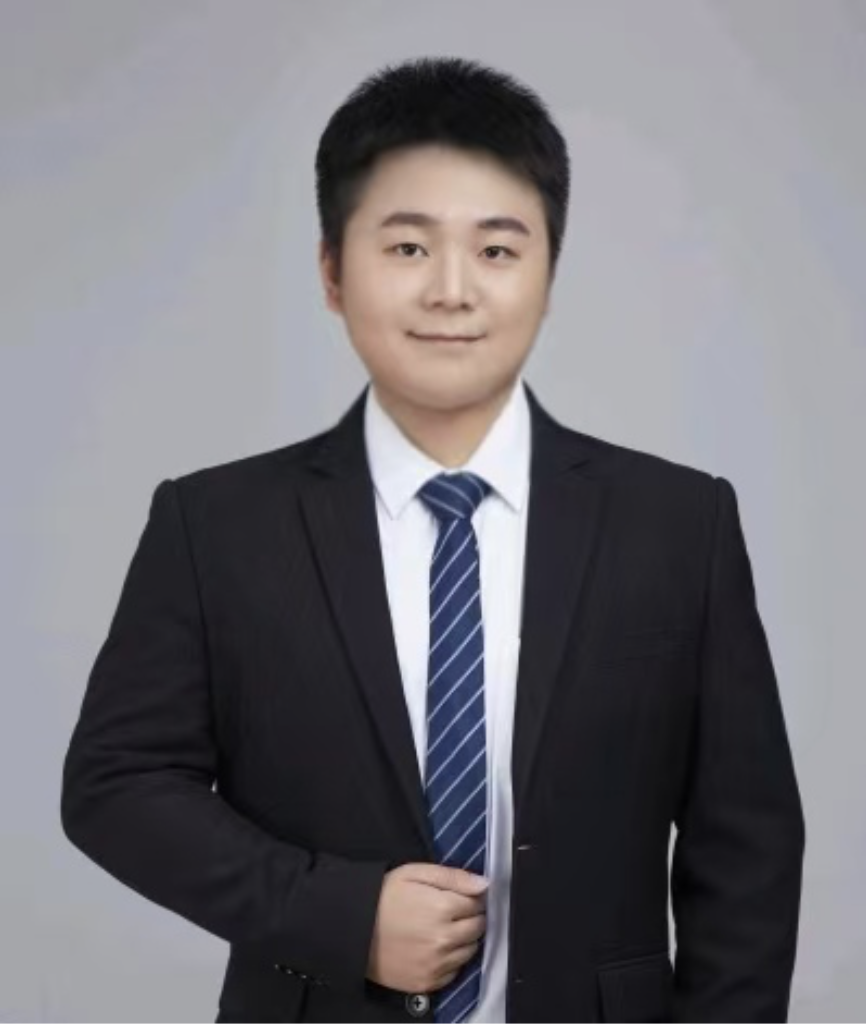
My background combines physics and cosmology (B.S. from UC Santa Barbara) with learning sciences and technologies (M.S. from UPenn). At Shenzhen InnoX Academy, I work with my team to create innovative learning experiences and support technological innovations for teenagers.
Sign ups open! Sign up forms will be sent out. Find a few friends and challenge the hackathon together, or sign up by yourself -- we'll find a team for you.
Sign ups close, two weeks before Hackathon. Single participants will be grouped, and each team will be designated a peer mentor who will guide and support them.
Participants will receive an email with additional information, including competition rules and teams.
Commencement of HK Hacks! Participants will arrive at the Chinese International School campus from 9 a.m. to 12:30 p.m. for the opening ceremony, where the theme and problem statement will be announced. In-person workshops will be hosted by professionals from tech fields, entrepreneurs, and educators to provide participants with the skills necessary to create their own project.
Start creating! Participants have this week to plan, create, and submit their projects together with their teams. Online resources curated by professionals will be provided throughout the week to assist teams.
This in-person event will take place from 10 am to 4 pm , at WXKJ L/5 in New Tower, CIS. It includes a presentation, Q&A session, guest speaker panel, courtyard performances, group bonding events, and finally the Award Ceremony.
| Criteria | Grading Scale | ||||
|---|---|---|---|---|---|
Criterion A: Problem Solving (40%)
|
0 Limited understanding of the problem statement and requirements. Fails to identify key challenges or approaches from multiple perspectives. Does not effectively address the problem with the prototype. |
1-2 Partial understanding of the problem statement and requirements. Identifies some key challenges but lacks a comprehensive approach from multiple perspectives. Partially addresses the problem with the prototype. |
3-4 Demonstrates a clear understanding of the problem statement and requirements. Approaches the problem from multiple perspectives and identifies key challenges. Effectively addresses the problem with the prototype, but with some room for improvement. |
5-6 Shows a thorough understanding of the problem statement and requirements. Approaches the problem from diverse perspectives and identifies key challenges comprehensively. Effectively addresses the problem with the prototype, demonstrating a well-rounded solution. |
7-8 Exhibits an exceptional understanding of the problem statement and requirements. Approaches the problem from various perspectives, thoroughly analyzing and identifying key challenges. Effectively addresses the problem with an outstanding prototype, showcasing a comprehensive and innovative solution. |
Criterion B: Creativity (40%)
|
0 Lacks innovative ideas and solutions to the problem. Does not demonstrate originality or out-of-the-box thinking in implementation and design. Fails to utilize existing resources efficiently and effectively. |
1-2 Introduces some basic innovative ideas and solutions to the problem. Demonstrates limited originality and out-of-the-box thinking in implementation and design. Shows some effort in utilizing existing resources efficiently. |
3-4 Presents innovative ideas and solutions to the problem. Demonstrates originality and out-of-the-box thinking in implementation and design. Utilizes existing resources efficiently and effectively to achieve desired outcomes. |
5-6 Introduces highly innovative ideas and solutions to the problem. Demonstrates significant originality and out-of-the-box thinking in implementation and design. Utilizes existing resources efficiently and effectively to achieve desired outcomes in a creative manner. |
7-8 Presents groundbreaking and highly innovative ideas and solutions to the problem. Demonstrates exceptional originality and out-of-the-box thinking in implementation and design. Utilizes existing resources innovatively and effectively, showcasing potential for significant impact beyond the hackathon. |
Criterion C: Technical Skills (20%)
|
0 The design of the prototype is poorly constructed and not user-friendly. Lacks skills in coding languages, frameworks, and tools relevant to the project. Does not effectively utilize tools and algorithms to increase efficiency and impact of the solution. |
1 The design of the prototype is somewhat constructed and partially user-friendly. Demonstrates limited skills in coding languages, frameworks, and tools relevant to the project. Utilizes some tools and algorithms, but with limited effectiveness in increasing efficiency and impact. |
2 The design of the prototype is adequately constructed and reasonably user-friendly. Demonstrates basic skills in coding languages, frameworks, and tools relevant to the project. Utilizes various tools and algorithms to some extent, resulting in moderate efficiency and impact. |
3 The design of the prototype is well constructed and user-friendly. Demonstrates proficient skills in coding languages, frameworks, and tools relevant to the project. Effectively utilizes various tools and algorithms to increase efficiency and impact of the solution. |
4 The design of the prototype is excellently constructed and highly user-friendly. Demonstrates advanced skills in coding languages, frameworks, and tools relevant to the project. Utilizes a wide range of tools and algorithms expertly, resulting in exceptional efficiency and impact of the solution. |
| Criteria | Grading Scale | ||||
|---|---|---|---|---|---|
Criterion A: Problem Solving (40%)
|
0 Limited understanding of the problem statement and requirements. Fails to identify key challenges or approaches from multiple perspectives. Does not effectively address the problem with the prototype. |
1-2 Partial understanding of the problem statement and requirements. Identifies some key challenges but lacks a comprehensive approach from multiple perspectives. Partially addresses the problem with the prototype. |
3-4 Demonstrates a clear understanding of the problem statement and requirements. Approaches the problem from multiple perspectives and identifies key challenges. Effectively addresses the problem with the prototype, but with some room for improvement. |
5-6 Shows a thorough understanding of the problem statement and requirements. Approaches the problem from diverse perspectives and identifies key challenges comprehensively. Effectively addresses the problem with the prototype, demonstrating a well-rounded solution. |
7-8 Exhibits an exceptional understanding of the problem statement and requirements. Approaches the problem from various perspectives, thoroughly analyzing and identifying key challenges. Effectively addresses the problem with an outstanding prototype, showcasing a comprehensive and innovative solution. |
Criterion B: Creativity (30%)
|
0 Lacks innovative ideas and solutions to the problem. Does not demonstrate originality or out-of-the-box thinking in implementation and design. Fails to utilize existing resources efficiently and effectively. |
1-2 Introduces some basic innovative ideas and solutions to the problem. Demonstrates limited originality and out-of-the-box thinking in implementation and design. Shows some effort in utilizing existing resources efficiently. |
3-4 Presents innovative ideas and solutions to the problem. Demonstrates originality and out-of-the-box thinking in implementation and design. Utilizes existing resources efficiently and effectively to achieve desired outcomes. |
5-6 Introduces highly innovative ideas and solutions to the problem. Demonstrates significant originality and out-of-the-box thinking in implementation and design. Utilizes existing resources efficiently and effectively to achieve desired outcomes in a creative manner. |
7-8 Presents groundbreaking and highly innovative ideas and solutions to the problem. Demonstrates exceptional originality and out-of-the-box thinking in implementation and design. Utilizes existing resources innovatively and effectively, showcasing potential for significant impact beyond the hackathon. |
Criterion C: Technical Skills (30%)
|
0 The design of the prototype is poorly constructed and not user-friendly. Lacks skills in coding languages, frameworks, and tools relevant to the project. Does not effectively utilize tools and algorithms to increase efficiency and impact of the solution. |
1 The design of the prototype is somewhat constructed and partially user-friendly. Demonstrates limited skills in coding languages, frameworks, and tools relevant to the project. Utilizes some tools and algorithms, but with limited effectiveness in increasing efficiency and impact. |
2 The design of the prototype is adequately constructed and reasonably user-friendly. Demonstrates basic skills in coding languages, frameworks, and tools relevant to the project. Utilizes various tools and algorithms to some extent, resulting in moderate efficiency and impact. |
3 The design of the prototype is well constructed and user-friendly. Demonstrates proficient skills in coding languages, frameworks, and tools relevant to the project. Effectively utilizes various tools and algorithms to increase efficiency and impact of the solution. |
4 The design of the prototype is excellently constructed and highly user-friendly. Demonstrates advanced skills in coding languages, frameworks, and tools relevant to the project. Utilizes a wide range of tools and algorithms expertly, resulting in exceptional efficiency and impact of the solution. |